

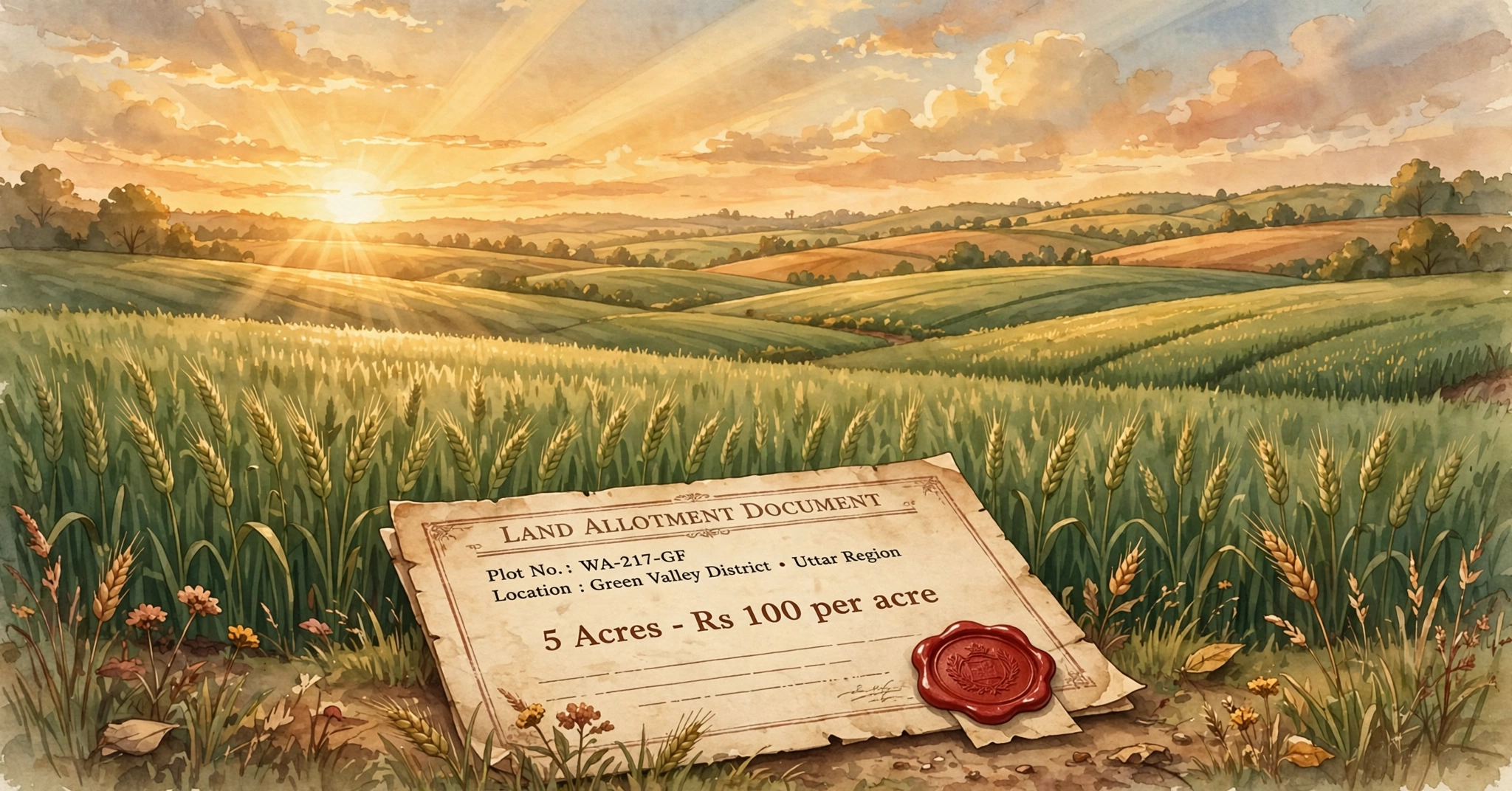
Imagine farming your own five acres when you never owned a single marla. That is not a slogan anymore. Under Apna Khet Apna Rozgar, the Punjab government is handing cultivable state land to landless families on a lease so cheap it sounds made up. Rs 100 per acre for a whole year.
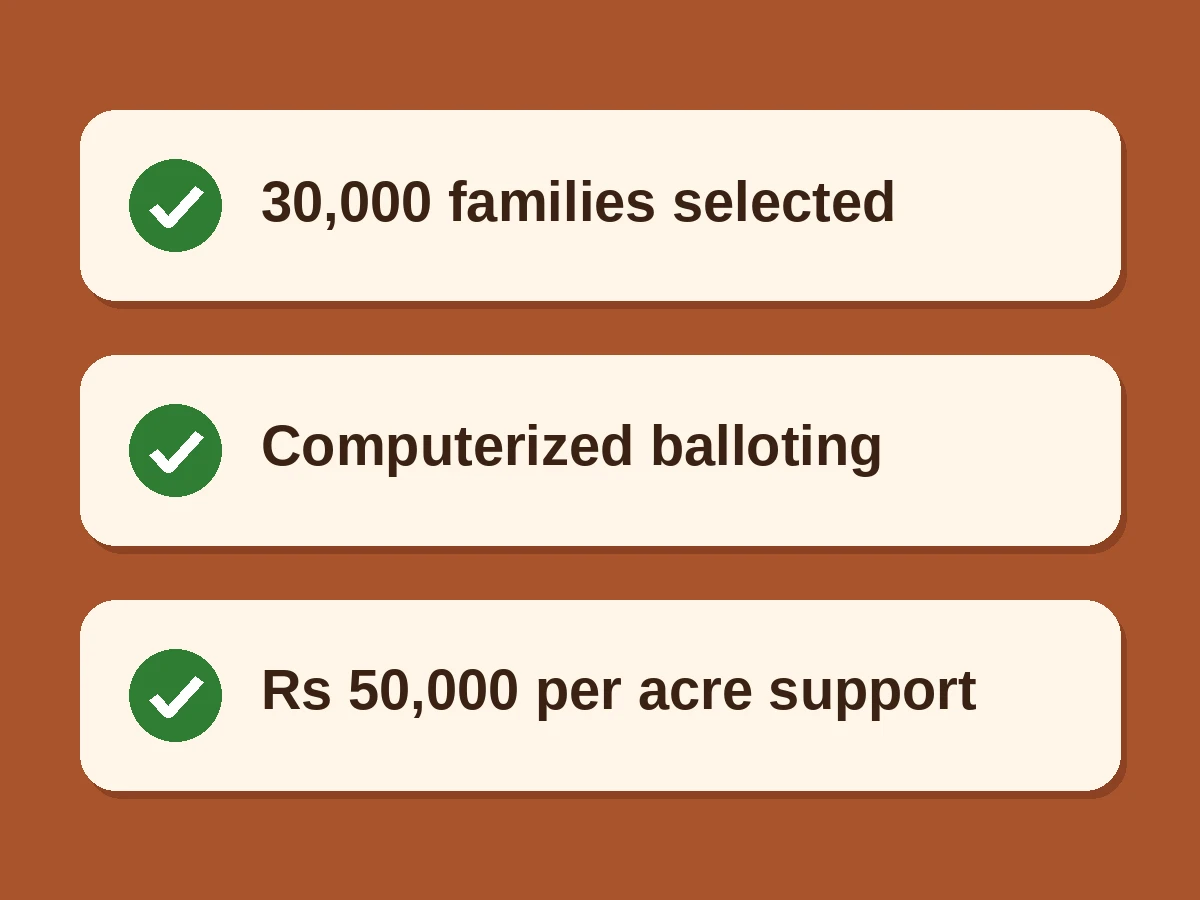
About 30,000 families have already been picked through computerized balloting. This guide explains what the winners receive, how the balloting actually worked, and what you should do if you missed the first round and want to be ready when the next one opens.
What Is Apna Khet Apna Rozgar
It is a Punjab government land lease scheme for landless farming families, launched by Chief Minister Maryam Nawaz in April 2026. Idle state land goes to families who want to farm but own nothing, so the land earns and the family eats.
The program runs through government land records, and selection happens by transparent computerized balloting, not through lists prepared in any local office. The first digital ballot was held on 6 July 2026, and the Chief Minister herself congratulated the successful families.
What Selected Families Receive
- Up to 5 acres of cultivable state land per family
- Lease rent of just Rs 100 per acre per year
- Rs 50,000 per acre as support for land preparation
- Technical guidance and farming training from the Agriculture Department
More than 121,000 acres were covered in the first round. The Chief Minister put it plainly at the balloting ceremony: the crop is yours, the earning is yours. Families keep the full produce and income from their plots.
One detail has been reported differently at different levels. District allotment ceremonies, like the one in Muzaffargarh where 87 families received about 190 acres, used a 10 year lease. At the main ceremony, the Chief Minister spoke of a 20 year lease. Your own lease certificate is the document that finally counts, so read it carefully when it is issued.
Who Could Apply for Apna Khet Apna Rozgar
The scheme was built for a specific group:
- Landless families and small farmers of Punjab
- Adults with a valid CNIC and a farming background
- Families with no earlier government land allotment
Around 60,000 applications came in for the first round, including nearly 11,000 from women, according to program reports. District teams scrutinized the applications before the ballot. Where several eligible families wanted the same plot, the computerized draw decided, and no one could add a name by hand.
How the Balloting and Allotment Work
After scrutiny, successful applicants were picked through computerized balloting and announced publicly. In Muzaffargarh, for example, 1,125 applications were received and 87 families were selected in an open ceremony in front of officials and farmers.
Winners then complete verification with the district administration and receive their allotment and lease documents. Farming support pairs well with other programs, so selected families should also read our Punjab Solar Tubewell Scheme guide and the Punjab Livestock Card guide for the seasons ahead.
Scheme information and round updates are published on the official AKAR portal.
Missed the First Round? Do This Now
Here is the honest part. The first round is closed, and the government has not officially confirmed the next application dates yet. Websites claiming that fresh registration is open right now are getting ahead of the official word.
So use the wait well. Keep your CNIC valid, make sure your family record is clean with the revenue staff of your area, and follow the official portal and Punjab government announcements. When the next phase opens, prepared families apply on day one while everyone else is still collecting documents.
Apna Khet Apna Rozgar FAQs
What is Apna Khet Apna Rozgar?
A Punjab government scheme that leases cultivable state land to landless families at Rs 100 per acre per year, selected through computerized balloting.
How much land does one family get?
Up to 5 acres per family, depending on the available plot.
What support money do winners receive?
Rs 50,000 per acre to prepare the land, along with technical guidance and training.
How are families selected?
Through transparent computerized balloting after scrutiny of applications. No official can add a name by hand.
Can I apply for the next round now?
The first round is closed and the next dates are not officially confirmed yet. Watch the official AKAR portal for the announcement.